Self-Esteem and Confidence in Public Speaking

Entering a situation without a clear plan can be intimidating, even for the most confident presenters. The good news is that confidence is not something you are born with; it’s something you cultivate. With practice and the right mindset, anyone can speak with assurance and poise. Whether you want to excel in meetings, enhance your presentation abilities, or project power and confidence, these insights can help.
Confidence is a Journey, Not a Destination
Confidence in public speaking is hardly ever built from merely innate talent—it’s about preparation, self-image, and your mindset.
Bob Proctor, a renowned expert in personal development, emphasizes that our self-image dictates our success. If you see yourself as someone who struggles with public speaking, your subconscious mind will reinforce that belief. However, by changing your mental image, you can transform your confidence and abilities.
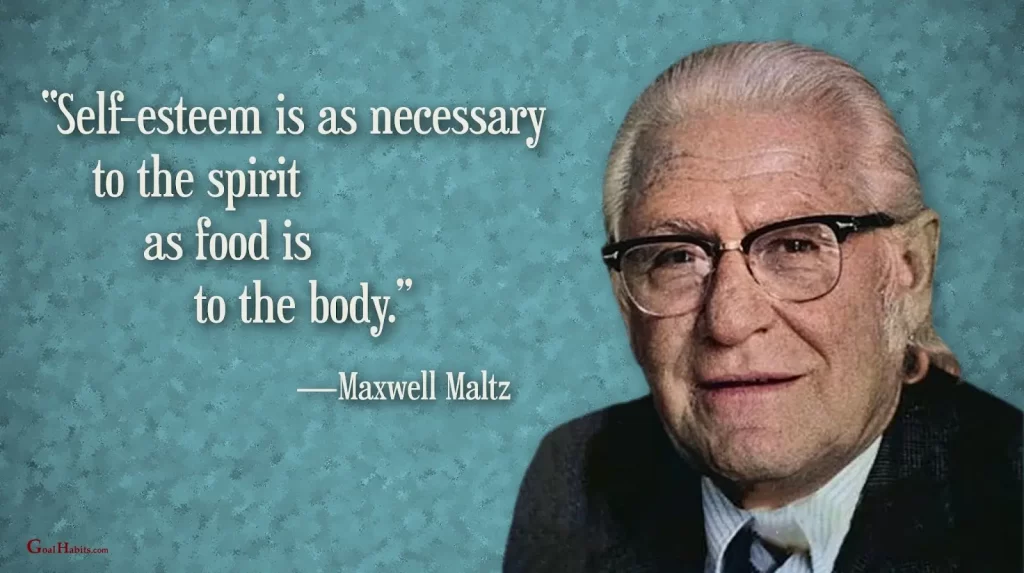
Maxwell Maltz, the pioneer of Psychocybernetics, similarly argued that self-image is the foundation of performance. In his book Psycho-Cybernetics, he explains that the brain functions as a “goal-striving servo-mechanism.” If you consistently visualize success and cultivate a positive self-image, your brain will guide your behavior accordingly. This means that by altering your mental picture of yourself, you can enhance your public speaking abilities dramatically.
The Power of Preparation
One of the best ways to build confidence in public speaking is to prepare thoroughly. Knowing your content well allows you to focus on delivery rather than worrying about what to say next. Here are some key steps for preparation:
- Research Your Topic: Have a deep understanding of your subject matter to speak with credibility.
- Organize Your Speech: Structure your talk with a clear introduction, main points, and conclusion.
- Practice Aloud: Rehearse multiple times, either alone or with a trusted friend or mentor.
- Anticipate Questions: Consider potential questions from your audience and prepare thoughtful responses.
The Role of Self-Image in Public Speaking
Both Proctor and Maltz stress that our actions and achievements align with our internal self-image. If you see yourself as a powerful, confident speaker, your behavior will begin to reflect that belief. To reshape your self-image:
- Use Affirmations: Repeat positive statements such as, “I am a confident and engaging speaker.” “I love my audience.” ”I look forward to serving these people with the content I have to share.”
- Visualize Success: Picture yourself speaking with ease, captivating your audience, and receiving positive feedback.
- Reprogram Your Subconscious: Through repeated mental rehearsal, your mind will begin to accept this new reality, making confidence a natural part of your presentation style.
- Act As If: Maltz emphasizes that adopting the behaviors of a confident person, even before you fully feel it, conditions your subconscious to believe in your new identity.
Trust Yourself to Be Congruent
Confidence in public speaking comes from aligning your thoughts, words, and actions.
When you genuinely believe in your message, your audience will sense your authenticity in your delivery.
Ask yourself after outlining your speech:
- Do I truly believe in the content I am sharing?
- Am I expressing my thoughts in a way that matches my values and personality?
- Does my tone, body language, and facial expression reflect my message?
When your internal beliefs align with your external presentation, you naturally exude confidence and credibility even if you are a little nervous.
Techniques to Project Confidence

Beyond preparation, certain techniques can help you appear and feel more confident when speaking, this will also convince your mind that you are confident, as you take action physically and you observe yourself behaving as the person you want to be.
- Maintain Eye Contact: Connect with your audience by looking at individuals rather than scanning the room aimlessly.
- Use Positive Body Language: Stand tall, avoid fidgeting, and use purposeful gestures to emphasize points.
- Control Your Pace: Speak at a moderate speed to allow your audience to absorb your message.
- Pause for Emphasis: Use strategic pauses to give weight to key points and maintain audience engagement.
- Modulate Your Voice: Vary your tone and pitch to keep your speech dynamic and engaging.
Handling Nerves and Overcoming Fear
Feeling nervous before speaking is completely normal, but it doesn’t have to control you. Carrying out these strategies can help you manage the anxiety of brushing up this new skill.
- Practice Deep Breathing: Slow, controlled breaths can calm your nerves and steady your voice.
- Reframe Nervous Energy: Instead of seeing nerves as a weakness, view them as excitement and channel that energy into enthusiasm for your topic.
- Use the Psychocybernetic Approach: Maltz suggested that visualizing a positive outcome conditions your brain to perform successfully under pressure.
- Create a Mental Picture of Success: In Psycho-Cybernetics, Maltz explains that the subconscious mind cannot differentiate between real and vividly imagined experiences. By mentally rehearsing successful speeches, you train your brain to act in alignment with that image.
- Adopt a Growth Mindset: Instead of fearing failure, view each speaking opportunity as a chance to improve.
Conclusion
Confidence in public speaking is a skill that anyone can develop with practice and intentionality. By preparing thoroughly, reshaping your self-image, and applying confidence-boosting techniques, you will gradually learn to communicate with clarity and authority.
Trust in your journey and yourself—embrace the learning process rather than striving for perfection. Progress comes from taking small, intentional steps toward improvement with courage and conviction. Courage does not mean the absence of fear, but rather the choice not to be ruled by it.
As Bob Proctor famously said, “You must see yourself already in possession of the confidence you desire.” Maxwell Maltz echoes this sentiment in his work, emphasizing that changing your self-image is the key to unlocking your potential.
Start seeing yourself as a powerful speaker today, and watch your reality follow suit.
Ready to Transform Your Public Speaking Skills?
MicFront Academy can help you speak with confidence and authority. It can guide you every step of the way from small speeches to big presentations. By signing up with MicFront Academy, you’ll have effectively taken your first step toward becoming the confident speaker you’ve always wanted to be!
Learn to harness the power of self-image, preparation, and proven techniques to captivate your audience today with MicFront Academy. Click here to get started – Sign up now!